Divinum Review (Launch Week)
A fan-wiki verdict based on Steam reviews, demo history, and the shipped combat loop.
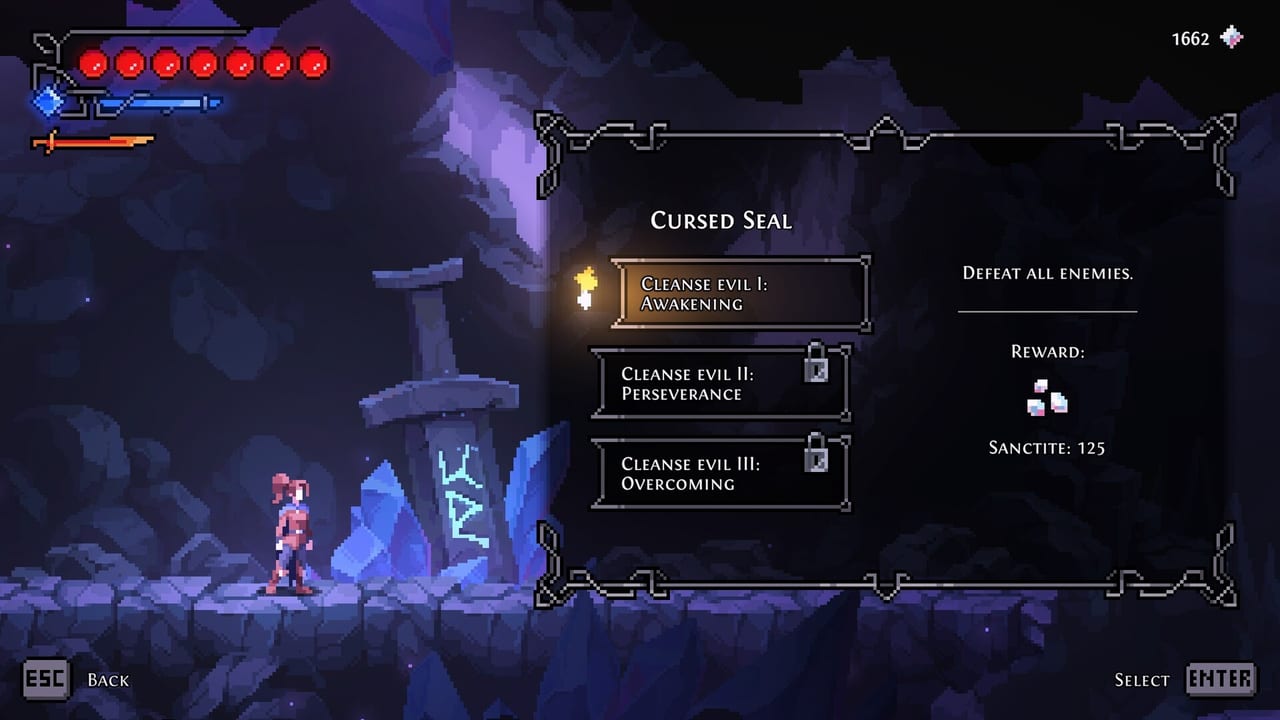
Divinum launched on Steam on 28 August 2026 as a $14.99 single-player 2D action-adventure from Sigil Games, a studio that spent about ten years getting Fjør’s island to store-page quality. Early Steam text is Positive (97% of 45 user reviews on a launch-week snapshot; Metacritic still pending on 29 August), with players hammering the same notes: combat is the star, the art is a moody pixel rotoscope cousin of Blasphemous and Dead Cells, and the optional rooms will make your hands hurt. This is not a critic embargo review. It is a launch-week buying guide you can update after the roadmap patches land.
If you only need a mechanical primer, leave this page and read getting started plus combat combos. If you need a “should I buy?” answer, stay.
The short verdict
Buy Divinum if you want stylish 2D juggling more than you want a 30-hour lore encyclopedia. Skip it, or at least play the still-listed demo, if you need collision-perfect platforming, constant NPC portraits, or a game that never puts hazards next to spectacle-fighter strings.
The price is the honest part of the pitch. Launch reviewers repeatedly said they did not care about exact length at this number. A few already suspected the campaign is on the short side and still recommended it. That is the correct way to read a compact Metroidvania: density over map size.
What works
Combat. Store copy promised Devil May Cry energy in a side-scroller. Shipped footage and reviews agree. Launches, air extras, two weapons, perfect blocks, projectile swats, and a Fury meter that wants variety all exist and all matter. Players who mash one button have a worse time than players who treat a slime as a combo dummy. That is a success.
Feel and audio. Sword swings read a little musical rather than purely metallic. Animations are “chunky” in the way Pirate Software’s Indiecember segment (embedded mid-page) celebrated. Several buyers compared the movement neighbourhood to Dead Cells or Blasphemous without calling it a clone.
Buildcrafting. Official design rejects +5% damage sticks. Runes and skills change the plan, sometimes with trade-offs. Steam users already talk about postponing a tier-three cleansing ritual until a different loadout exists. That is a healthy Metroidvania loop. Start on rune builds.
Exploration tone. Old-school map work, peek-up and peek-down, shards off the road. One highly voted review called the balance between relaxing clears and edge-of-seat fights the reason they could not stop recommending the game.
What creaks
Collision bugs. Launch reports include a ledge-climb-plus-jump glitch that sends Fjør through walls with infinite jumps until you quit to the menu. Dodging sometimes helps. This is not theoretical; it is already in user reviews. Track workarounds on launch notes. The developer’s first post-release promise is literally “identifying and fixing bugs.”
Optional difficulty spikes. Cleansing rooms, especially higher tiers, are where the “my arm hurts” comments live. The curve is intended, but it will shock anyone who bought a pretty pixel game and received a trial gauntlet.
Presentation leftovers. Missing character headshots during some dialogue, similar Nordic names, and sprites that could use a second pass. These are the “shoestring or untested team” hallmarks one otherwise positive review listed. They do not erase the combat, and they are visible.
Hazards versus style. The refund-minded negative review argues that stylish action plus trap-heavy level design is a trend they hate. If that sentence describes you, the demo is the whole argument. Watch a beam fight such as the Elite Sentinel of Soulfire and decide whether you enjoy that mix.
Performance on very low hardware. Official specs are light, but at least one “potato” machine still hitched. Check system requirements and the Steam Deck page if you are not on a desktop GPU.
Who it is for
- People who liked the idea of 2D character action and never got a full game of it.
- Metroidvania fans who will retrace for shards.
- Demo fans who already spent hours in the combat slice and want the island attached.
- Steam Deck players: the store badge is Verified, and at least one launch review logged Deck hours.
Who should wait
- Anyone allergic to launch-week collision issues. Give Sigil Games the bug-pass they already announced.
- Players who want a huge map, drop-in friends, or live-service codes. Divinum has none of those. It is single-player.
- Anyone whose hands already hate dense 2D strings. The controls page cannot invent a low-APM mode that does not exist.
Score-shaped conclusion
If this wiki used a number, it would sit in “easy recommend with notes” territory: a rare solo-dev combat game that looks like it escaped a bigger studio’s animation budget, wrapped in a short island and a short bug list. Play the demo if you are unsure. If the juggle makes you grin, buy the campaign, read map exploration, and do not be proud about skipping shards.
Pricing, languages, and patch notes can change. Confirm the live store page. This review will be rewritten when the post-release plan ships the extra challenges Sigil Games already teased.
Frequently Asked Questions
Quick answers to the most common questions.
Is Divinum worth buying at launch?
If you want stylish 2D combos and can live with a compact map plus a few collision bugs, yes. Try the demo first. Deeper caveats are in this review.
How long is Divinum?
Launch players did not have a settled HowLongToBeat yet. Several called it well-priced even if the campaign is short. Expect a dense island, not a 40-hour checklist.
Does Divinum run on Steam Deck?
Steam lists it as Deck Verified. Practical notes are on the Steam Deck page.